

I. Domestic Core Technology & Mass Production Breakthroughs
1. Silicon-Graphene-Germanium Transistor (Core Device for Terahertz & 6G)
Developer: Institute of Metal Research, Chinese Academy of Sciences
Key Specifications: Measured cut-off frequency reaches 132 GHz with a current gain of 1.8×10⁷; theoretically capable of covering 1 THz terahertz band, ranking top globally among similar devices.
Significance: China takes the global lead in RF devices based on two-dimensional materials, laying solid hardware foundations for 6G, terahertz communications, high-end radar and satellite-ground connectivity.

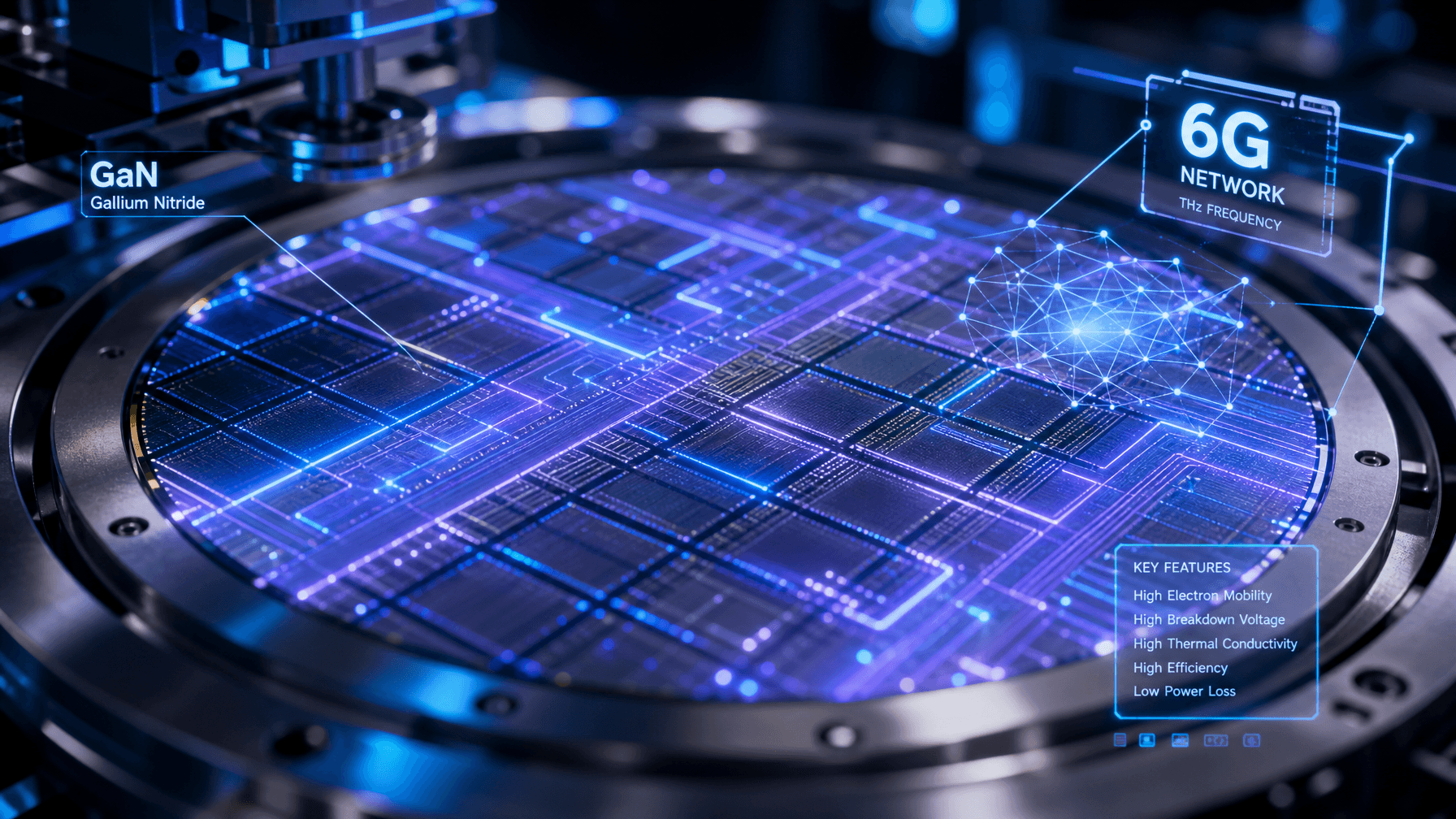
2. Silicon-Based GaN RF Chips for Consumer Terminals
Developer: CETC 55 Research Institute / Guobo Electronics
Key Data: Over 5 million chips delivered in total; the world’s first silicon-based gallium nitride product tailored for consumer smart terminals.
Significance: Technical bottlenecks of low-voltage terminal compatibility have been solved. The chips gradually replace traditional gallium arsenide components and realize full independent control of RF front-ends for mobile phones and other consumer devices, breaking monopolies held by overseas manufacturers. This strongly supports the large-scale commercialization of satellite-direct-to-cellphone services, low-altitude economy and 5G-Advanced.
II. Highlights from International Exhibition – IMS 2026 (Boston, June 7–12)
- Core Technology Themes: Integration of AI, quantum engineering, 6G, millimeter wave, terahertz and satellite communications
- New Products & Solutions from Key Manufacturers
- Keysight: New-generation RF signal analyzers to boost R&D and testing efficiency for 5G and 6G wideband systems
- Qorvo: Demonstrated beamforming modules, millimeter-wave power amplifiers and IoT RF solutions targeting satellite and mobile communication markets
- Sonix: Miniaturized 30 GHz millimeter-wave RF filters optimized for 5G-Advanced, 6G and satellite communication scenarios
III. Overall Industry Development Trends
- Material Upgrading: Wide-bandgap materials including silicon-based & SiC-based GaN and graphene are widely adopted to replace gallium arsenide, balancing high frequency, high power and low cost.
- Frequency Band Evolution: Communication frequency bands keep shifting upward from 5G-Advanced to 6G and terahertz, driving RF devices toward miniaturization and low insertion loss.
- Domestic Substitution: RF technologies expand from base station and military applications to consumer electronics such as mobile phones. Full industrial chains including power amplifiers, filters and switches accelerate localized independent production.
- Multi-technology Integration: AI and digital twin technologies are embedded into RF design, EDA development and testing workflows, drastically shortening R&D cycles and cutting production costs.
IV. Follow-Up Focus Areas
- Commercialization progress and market penetration of domestic novel high-frequency transistors and silicon-based GaN chips
- Iteration and mass production schedule of RF components supporting 5G-Advanced and 6G industrial chains
- Fluctuations in market demand for millimeter-wave and satellite communication RF products